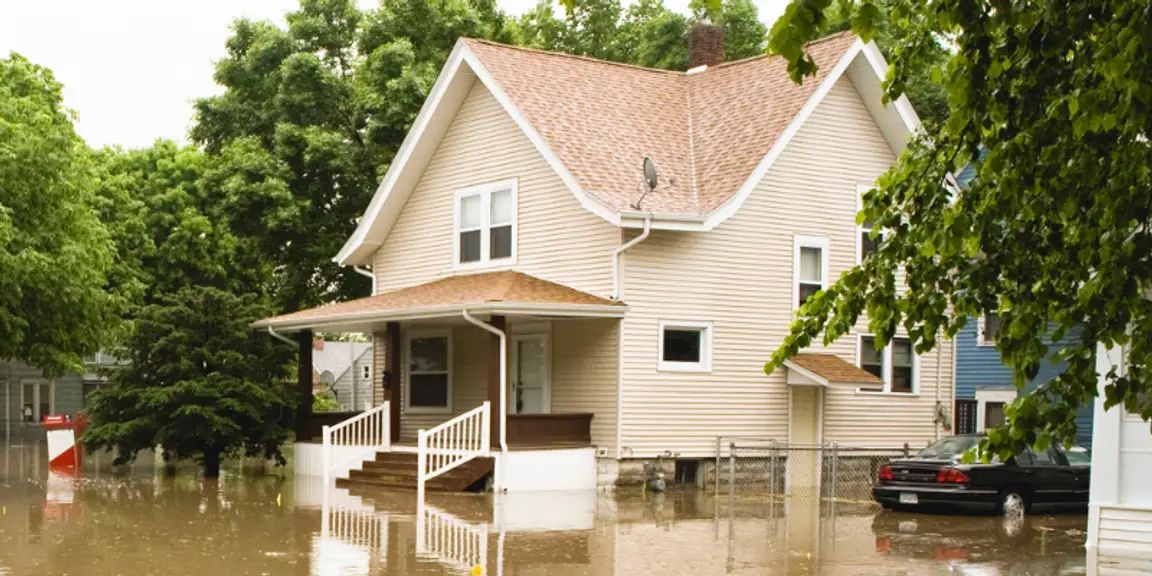

Picture a finished basement in Fern Creek filling with water during one heavy storm while the rooms above stay bone dry. Nobody sees that from the curb. It shows up later, in the disclosure form and the appraiser’s notes. I’ve bought houses along Beargrass Creek, the Licking, and the Kentucky River. If you need to sell a house that has flooded in Kentucky, here’s what I’ve learned: the sellers who come out ahead aren’t the ones with the least damage. They’re the ones whose paperwork is ready before a buyer asks for it.
A buyer who hears about a wet crawlspace on day one negotiates. A buyer who stumbles on it on day nineteen of a thirty-day inspection period, after paying an inspector and locking a rate, reacts. Only one of those conversations ends at a closing table. So start with the paperwork, because everything else leans on it.
How Do You Get a Certificate of Elevation and What Else Should You Check?
Call your city or county floodplain administrator first. Many of those offices keep elevation certificates on file for homes in flood zones. Dig through the closing papers from when you bought, and ask your insurance agent too. If nobody has one, hire a licensed land surveyor, engineer, or architect to fill out FEMA’s form.
Next, look up your address on FEMA’s Flood Map Service Center to confirm your flood zone. Pull together your insurance policies and any claims, plus receipts for water damage repairs. A buyer will ask about all of it, and having it in hand makes it easy to back up your disclosure.
Kentucky’s seller disclosure form gets triggered by a paid real estate licensee, not by the sale itself. When an agent or broker earns a commission on a single-family home sale, the seller fills out the state form. Sell directly to a buyer with no licensee getting paid, and that statute doesn’t apply. You’re still not off the hook. Fraud and misrepresentation claims don’t care whether an agent was involved.
For-sale-by-owner sellers often hear “the form doesn’t apply,” and figure silence is safe. It isn’t. Without an agent, you’re the only one responsible for putting the history in writing, and no broker is around to remind you. My advice is to fill out the state form anyway and hand it over. It takes about an hour, and you end up with a signed record of exactly what the buyer knew and when.
If you’d rather sell the house as-is, you can contact us for a cash offer and see what that option looks like without committing to anything.
The 50 Percent Rule That Stops Renovations Cold
Good intentions get expensive right here. In Kentucky, your local floodplain office enforces FEMA’s substantial damage rule. If your flood repairs cost half or more of the structure’s pre-flood market value, you can’t just hang new drywall and lay carpet. The entire building must comply with current floodplain rules, which can mean physically raising the house.
Two numbers drive the math, and you can document both. One is the repair cost, which must cover the full scope of work, not just the parts you planned to tackle. The other is the structure’s pre-flood value, excluding the land. Some towns go by the assessor’s number for the building. Others will take an outside appraisal, and I’ve watched offices argue for whichever figure helped them. If the assessor’s number looks low, ask whether they’ll consider an appraisal. A higher pre-flood value raises the bar your repair bill has to clear.
Elevating a home runs tens of thousands of dollars. Federal flood policies include Increased Cost of Compliance coverage, which pays up to $30,000 once a house is ruled substantially damaged. Grants rarely cover the rest. Before you spend a dime, have your floodplain administrator tell you where your damage estimate lands against that threshold. Ask first, not after the contractor’s halfway done.
Some owners split the work into phases and pull separate permits months apart to dodge the rule. Those offices have seen that trick, and many add up damage over time. A stop-work order in the middle of a renovation is far worse than hearing the bad news early and selling the house as-is.
If the 50 percent rule makes repairs too costly, Kentucky Sell Now can make a cash offer to buy the house as-is, so you can avoid taking on the renovation yourself.
What the Kentucky Disclosure Form Actually Asks

The state’s form is KREC Form 402, and completing it satisfies KRS 324.360. It runs five pages. Several questions go straight at water: basement and crawlspace leaks, roof leaks, drainage or grading problems on the lot, and whether the house sits in a Special Flood Hazard Area. That last one matters because a federally backed mortgage there brings mandatory flood insurance. A few sales don’t need the form at all, such as new homes sold with a warranty, auctions, and court-supervised foreclosures. You can read the form itself on the Kentucky Real Estate Commission’s site.
One wrinkle trips people up constantly. The form asks about problems whether or not they’ve been corrected, so a fix doesn’t erase the duty to mention it. Your obligation also runs right up to closing. Say the crawlspace takes water again in March after you signed in January. The buyer gets told in writing.
Small boxes are where sellers get into trouble. When the honest answer needs more than a few words, write “see attached” and add a typed page. Explain what happened and when, what was done, and who did the work, then staple the invoices and permit sign-off behind it. I’ve never seen a sale die because a seller over-explained a repair. Plenty have died over a one-word answer that looked like someone was hiding the rest. If you don’t know something, say so instead of guessing. A buyer who learns the truth later can’t tell a bad guess from a lie. Our guide to Kentucky home seller disclosure requirements covers the rest of the form and the legal rules behind it.
Sellers ask me constantly whether disclosing flood history kills the sale. In my experience, it filters out the buyer who’d walk away anyway and leaves one who priced the risk in. We hear this question at Kentucky Sell Now all the time, and our answer hasn’t changed: the expensive disclosure is the one that comes out late.
What Are Your Options for Selling a Flood-damaged Home?
“A cash buyer is just going to lowball me.” Sometimes that’s true, and you should walk away when it is. Still, measure the offer against your real alternative, not a fantasy appraisal of a dry house. That alternative carries months of holding costs and a repair bill. It also carries a buyer pool that shrinks every time a lender sees the word “flood.” Run the comparison honestly, and the gap usually narrows more than sellers expect. Cash house buyers in Louisville and the surrounding Kentucky cities can be one option to compare against a traditional listing.
Fixing the damage and listing with an agent usually brings the highest price, though it eats months and real money up front. Listing the house as-is lets buyers price in the repairs, but expect fewer showings, because many lenders won’t finance a home with active water damage. Or a cash buyer takes the house in its current condition and closes when you’re ready. Which one fits depends mostly on how much repair money you can spare and how fast you need to move. If you’re still torn, our breakdown on whether to sell your Kentucky house as-is or make repairs first walks through that call.
Do the math on paper. Start with the price you think you’d get after repairs. Subtract the repair estimate and the commission. Then take out the mortgage, insurance, and utility bills you’ll carry during the work and while the house sits, plus whatever the buyer’s inspector talks you out of at the end. Compare what’s left to the cash offer.
Sometimes repairing and listing still wins by a mile, and then you should do it. Other times the numbers land close enough that four months of hassle decides it. Either way, you’re choosing with your eyes open instead of reacting to a number that felt low.
Pricing a House with Flood History

Buyers discount wildly based on one question: is the damage repaired or still sitting there? A dried, permitted, documented house with a single claim takes a modest haircut. A house with standing-water damage and an open insurance claim gets priced like a renovation project, because that’s what it is. I’ve watched buyers walk after smelling mildew on a walkthrough.
Three things move your number more than anything else I’ve seen. The big one is a mapped high-risk zone. Repeat claims come next, and then there’s the question of whether the repair cost crosses that substantial damage threshold. The rest is detail you can haggle over.
Your neighbors’ houses won’t tell you much. You want damaged houses that actually sold, and those are harder to find on your own. Ask an agent to pull nearby closed sales whose listings mentioned water, mold, or an as-is condition. Then see how those did next to the dry houses. That spread is your starting point. After that, adjust for your own paperwork. A seller with a moisture log and a permit sign-off is selling a known quantity, while the other guy is selling a question mark.
Don’t price off a Zestimate. Automated models have no idea that your crawlspace flooded twice. A buyer’s inspector will find that history in an afternoon, so your number needs to account for it before they do.
Repair First, Then List
This path wins when the damage is contained and well under the substantial damage threshold. Dry it properly, fix it with permits, and keep every receipt. Then you’re selling a house with a paper trail, not a mystery.
Statewide conditions give you room to try. Kentucky’s median sale price was $283,818 in August 2026, up 3.2 percent from a year earlier, according to Redfin’s state market data. Homes took a median of 50 days to go under contract. Add thirty to forty-five days for the loan and closing. That puts you at about three months from listing to money in hand, if nothing falls apart at inspection.
Repairs have to be done right, or they backfire. Cosmetic patching over wet framing breeds mold, and mold means a dead contract plus a disclosure you now have to make. I’ve walked into houses where somebody sprayed bleach on the studs and called it remediation. The buyer’s inspector spotted it within minutes.
Proper drying means a remediation company with moisture meters, readings logged over several days, and a written sign-off once the frame is dry. Get that paperwork even if insurance isn’t paying for the job. A moisture log is the most persuasive document you can hand a nervous buyer, since it shows a third party confirmed the house was dry before the walls closed. Photograph the open walls and exposed framing, then the new materials going in. Progress pictures answer questions an inspector can only guess at.
Pull permits even for work you could quietly get away with. The building department’s final sign-off is worth more at closing than whatever you’d save by skipping it. On a flood-damaged house, a repair with no permit looks like something you wanted to hide.
Sell Direct to a Cash Buyer

Speed is the whole argument. There’s no appraisal and no lender flood determination holding things up. You also skip the inspection clause and the repair haggling two weeks before closing. For a family carrying a mortgage on a house they can’t live in, thirty fewer days of carrying costs can add up to real money. Here’s how it works when you sell your house fast in Kentucky to a direct buyer like us.
Vet the buyer first. Ask whether they close with their own funds or assign the contract to someone else, and request proof of funds. Find out how many Kentucky houses they bought last year. A local buyer who’s handled Ohio River bottomland and Eastern Kentucky creek flooding will price your house fairly. They won’t pad the offer for things they don’t know. If you’re comparing investor house buyers in Florence and other Kentucky cities, ask each one the same questions so you can compare the offers and terms fairly.
Read the contract, not just the price. Check how long any inspection or due diligence period lasts and whether the buyer can cancel for any reason during that period. Look at how much earnest money is at stake if they walk, and which title company holds it. An offer that looks strong but gives the buyer three weeks to back out for free is really just an option on your house. Ask directly whether the number can change after they walk through, and get the answer in writing. Honest buyers won’t mind.
Also ask who handles the utilities, the cleanout, and anything left inside. A buyer who takes the property with the contents still in it saves you a dumpster and several weekends. That’s worth real money, even if it never shows up in the offer.
Frequently Asked Questions
Is It Hard to Sell a House That Sits in a Flood Zone?
Harder than a dry house, easier than you’ve been told. Your buyer pool shrinks because anyone with a federally backed mortgage in the zone must carry coverage in addition to their loan payment. Paperwork is what gets these homes sold: the elevation certificate, a real insurance quote, and an honest claim history submitted early. Sellers who hide the zone status tend to lose buyers during the inspection, costing them weeks.
How Much Does Water Damage Knock Off a Home’s Value?
It depends on whether the damage is fixed and documented or still sitting there. A home that was dried by pros, fixed with permits, and backed by receipts takes a smaller hit, because buyers can see what happened and what was done about it. Unrepaired damage gets valued like a gut job. The buyer bears the renovation risk, the uncertainty about mold, and the risk that repairs exceed the substantial-damage threshold. Repeat claims hurt more than a single event.
How Long Can a Kentucky Seller Be Held Responsible After Closing?
Your disclosure duty runs to the closing table, including anything that changes between signing the form and handing over keys. After closing, a buyer who finds you knowingly concealed flood damage can still bring a fraud or misrepresentation claim, and selling as-is doesn’t block that. The filing window depends on the type of claim, so a Kentucky real estate attorney can give you the exact timeframe. Keep a signed copy of everything you disclosed. It’s the cheapest protection you’ll find.
If you’re sitting on a house that’s taken water and you’re not sure which direction makes sense, Kentucky Sell Now is glad to talk it through. Reach out to us at (502) 610-0070 with your questions about repairs, timelines, or what a cash offer would look like compared to listing. No pressure, no obligation, and no hard feelings if you decide to wait.
Useful Kentucky Blog Articles
- Can You Sell A Rental With Tenants In Kentucky
- Can I Sell My House With A HELOC In Kentucky
- Foreclosure Timeline For Homeowners In Kentucky
- Can My Husband Legally Sell Our House Without My Consent in Kentucky?
- Documents Required for Selling Inherited Property
- How to Handle an Inherited House With Siblings in Kentucky
- Selling a House With Delinquent Property Taxes in Kentucky
- How Long Should You Live in A House Before Selling It
- Appraisal Required Repairs Kentucky Home Sellers Need To Know About
- FSBO Costs in Kentucky
- How to Sell a House That Has Flooded in Kentucky