

Struggling to Sell a House With Termite or Pest Damage in Kentucky?
Tiny invaders can turn your home-selling dreams into a nightmare scenario overnight. Termite or pest damage can significantly reduce your home’s value and scare buyers away. Hidden infestations create legal risks, failed inspections, and costly surprises during closing negotiations. Honest disclosure, professional treatment, and strategic pricing help you sell successfully.
When selling a home with termite or pest damage in Kentucky, you must disclose all known issues on the Seller’s Disclosure form. You can choose to repair the damage before listing or sell as-is. Offering price reductions or repair concessions often attracts buyers more quickly.
In this guide I will explore everything related to selling a house with termite or pest damage.
Key Takeaways
- Fully disclose all known termite or pest damage on Kentucky’s Seller’s Disclosure of Property Condition form.
- Consider repairing damage beforehand to maximize home value and attract serious buyers.
- Adjust your asking price to reflect pest-related issues, typically reducing by 20-25%.
- Hire professionals for inspection and treatment to ensure transparency and build buyer trust.
- Selling as-is with full disclosure can attract cash or investor buyers, expediting the sale process.
What Types of Termite and Pest Damage Impact Home Sales?
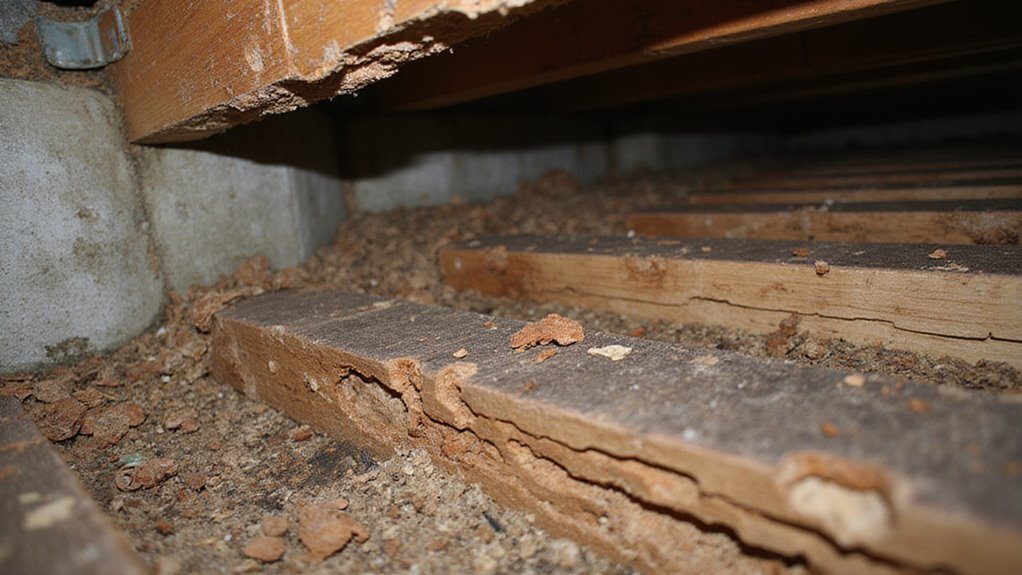
You need to recognize how different termite species and other wood-destroying insects cause damage that can lower your home’s value. Structural issues often scare buyers more than cosmetic flaws, especially when repairs are costly.
Understanding the type and extent of pest damage helps you prepare for disclosures and impacts your sale prospects.
Common Termite Species and Their Damage Patterns
Three main wood-destroying pests threaten Kentucky homes: Eastern subterranean termites, carpenter ants, and powderpost beetles.
Each species creates unique damage you can identify. Eastern subterranean termites build mud tubes and hollow out wood from the inside. This damage often stays hidden until serious structural problems develop.
Carpenter ants carve large tunnels through wood but don’t eat it. Their excavation weakens support beams and framing.
Meanwhile, powderpost beetles leave tiny holes and fine powder around wooden surfaces. Proper identification helps you disclose issues accurately and protect your sale.
Wood-Destroying Insects Beyond Termites
Yes, Kentucky law requires you to disclose damage from carpenter ants, powderpost beetles, and similar wood-destroying insects. These pests create hollow wood, frass piles, and visible tunnels that reduce your home’s value.
Buyers will discover these issues during inspections anyway. Hiding the damage can lead to legal problems and failed deals. You must include all known pest damage in your property disclosure form.
Schedule a pest inspection before listing your home. Fix any structural damage or adjust your price accordingly. This approach builds buyer trust and prevents last-minute complications.
Structural Damage Assessment Criteria
Structural damage from termites directly threatens a home’s safety and value. Look for hollow wood that crumbles under pressure. Mud tubes on foundations signal active infestations. Sagging floors and bowed walls indicate compromised framing.
Additionally, watch for cracks in drywall and ceilings. Damage to load-bearing elements severely impacts saleability. Kentucky law requires full disclosure of these issues. A professional inspection report documents all findings and protects both parties in the transaction.
Cosmetic vs. Structural Damage Considerations
Structural damage from termites drastically reduces your home’s value and appeal. Buyers and lenders view compromised structural integrity as a serious concern. They often request extensive inspections and repairs before moving forward.
Cosmetic issues like peeling paint rarely affect sale viability. However, structural problems lead to lower offers and extended market times.
Kentucky law requires sellers to disclose known termite damage. Address these repairs early to protect yourself legally and financially. Restoring structural integrity ensures smoother transactions and maintains buyer confidence.

“Brian with Ky Sell Now couldn’t have been any better to deal with. The offer was reasonable, they did what they said they would do, and did it when they said they would do it. Terms were good and they were flexible meeting our terms and needs.“
David Weinberg
How Does Pest Damage Affect Your Home’s Value?
Pest damage reduces your home’s value by 20-25%. Termites cause the most concern because they weaken structural wood and alarm potential buyers.
Buyers notice hollow beams, mud tubes, and wood debris near floors. These visible signs lower offers and extend time on market.
Most lenders require pest inspections before approving loans. Address pest problems before listing your property. Repairs protect your investment and attract serious buyers. Transparency about past issues builds trust and speeds up sales.
What Are Your Disclosure Obligations When Selling?
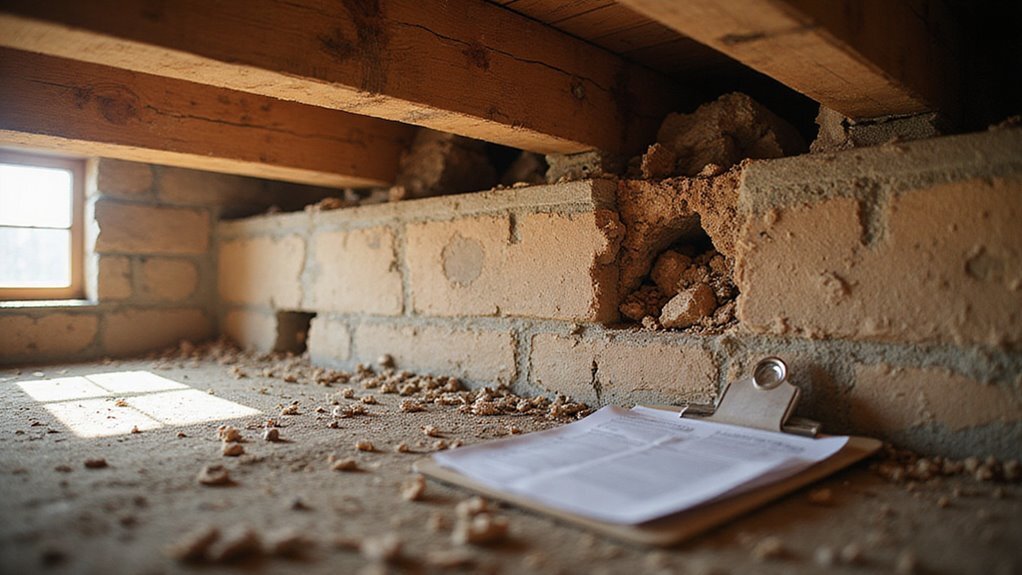
Yes, you must disclose known termite damage when selling your Kentucky home. State law requires honest reporting of pest issues that affect your property’s condition.
You need to complete the Seller’s Disclosure of Property Condition Form truthfully. Disclose any termite damage you know about. Report wood-destroying insects and related structural problems. Share past treatment records if issues remain unresolved.
Additionally, you must reveal all inspection results to potential buyers. Transparency protects you from legal issues later. Kentucky real estate disclosure laws mandate full honesty about pest damage.

“Brian was so easy to work with. They were quick and efficient. After several months of working with another buyer without closing the deal, we are thankful to have found him. We were able to get a deal done and finalized in just a matter of weeks! I would recommend Kentucky Sell Now to anyone.”
How to Identify Signs of Termite Infestation Before Listing?
Start by visually inspecting your home for telltale signs like mud tubes, hollow-sounding wood, or fractured paint. Consider hiring a professional to uncover hidden damage and confirm the extent of any infestation.
Look for common indicators such as discarded wings, frass, or damaged wood to assess whether pests are present before listing.
Visual Inspection Techniques
Conduct a thorough property inspection to spot termite signs early. This proactive approach protects both you and potential buyers from costly surprises.
Check for mud tubes along foundation walls and in crawl spaces. Tap wooden structures to detect hollow sounds or visible damage. Look for discarded wings near windows and doors, which indicate swarming activity. Additionally, watch for frass, a wood-colored debris that accumulates near infested areas.
Focus your inspection on moisture-prone locations like basements and attics. Early detection ensures transparency and builds buyer trust.
Professional Inspection Benefits
Professional inspections catch hidden termite damage before you list your home. Inspectors identify structural problems and active infestations during their assessment. You can plan repairs early and avoid surprises during buyer negotiations.
Kentucky law holds sellers responsible for undisclosed pest damage. A documented inspection protects you from legal issues. It also shows buyers you’re honest about your property’s condition. This transparency builds trust and can speed up your sale.
Common Infestation Indicators
Yes, your home likely has termites if you notice these four signs. Tap wood surfaces and listen for hollow sounds that indicate internal tunnels. Look for frass, which are tiny pellet-like droppings near your foundation. Check walls for mud tubes that termites use as highways. Additionally, inspect for blistering paint or sagging floors.
These indicators reveal structural damage that requires immediate attention. Early detection helps you address problems before they worsen and protects your legal interests during any sale.
Hidden Damage Detection Methods
Detecting Hidden Termite Damage: What You Need to Know Hidden termite damage requires professional inspection tools beyond visual checks. Experts use moisture meters, infrared cameras, and probing equipment to find damage inside walls and floors. These tools reveal problems you can’t see on your own.
Watch for warning signs like sagging floors or hollow-sounding wood. Strange odors also indicate hidden infestations. Early detection helps you disclose issues honestly to buyers and avoid legal problems later. This transparency builds trust and protects your sale.
What Are Your Options for Selling a Pest-Damaged House?
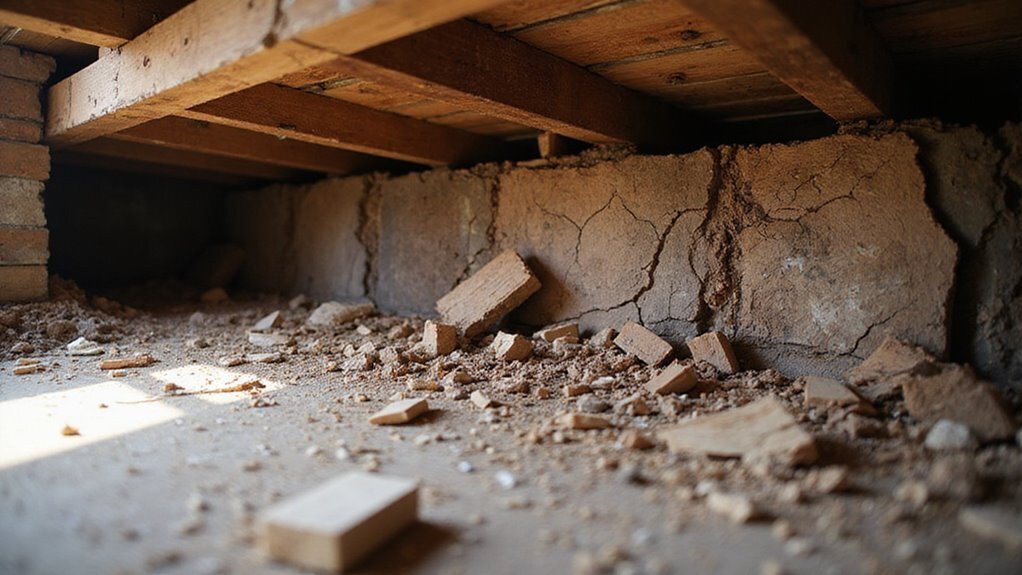
You have several options when selling a pest-damaged house: repair the damage upfront, sell it as-is with full disclosure, or adjust the price to reflect the issues.
Working with cash buyers can also speed up the sale, but each choice affects your final outcome. Consider your timeline, budget, and how much damage influences your home’s value before deciding which route to take.
Repairing Before Selling
Yes, repairs are worth it. Fixes can return up to 80% of your investment and help your home sell faster. Professional pest treatment eliminates the problem at its source. Structural repairs restore your home’s integrity and safety. Both steps show buyers you care about quality.
A clear pest report proves the work is complete. This documentation builds buyer confidence and prevents last-minute negotiations. Most importantly, repairs help you avoid low offers and lengthy delays during the sale process.
Selling As-Is with Disclosure
You can sell your house as-is, but you must disclose all known pest damage under Kentucky law. This protects you from future legal issues. Honest disclosure also builds buyer trust.
As-is sales attract investors and cash buyers who handle repairs themselves. You should lower your price to reflect the damage and needed repairs. This approach speeds up the sale process. Meanwhile, buyers know exactly what they’re purchasing.
Include all pest issues in your seller’s disclosure form. Transparency prevents deals from falling through later.
Price Adjustment Strategies
Yes, you should adjust your asking price when selling a home with pest damage. Buyers expect lower prices for properties needing repairs. This strategy attracts serious offers quickly.
Reduce your listing price by 20-25% to reflect termite damage costs. You can also offer seller concessions to cover treatment expenses.
Cash buyers often prefer lower starting bids on fixer-uppers. Meanwhile, emphasize renovation potential to highlight future value opportunities.
Working with Cash Buyers
Cash buyers offer the fastest way to sell your pest-damaged house. They purchase properties “as-is” without requiring repairs or lengthy negotiations.
However, you must be transparent about the damage. Kentucky law requires full disclosure of all known pest issues, including termite infestations. This protects both parties from future legal problems.
Most cash buyers expect homes with pest damage and adjust their offers accordingly. The trade-off is speed and convenience over maximum price. This approach eliminates stress and closes deals quickly.
How to Get Your Home Treated and Repaired?
To get your home treated and repaired, start by hiring a professional exterminator to eliminate pests and assess the damage. Then, coordinate necessary structural repairs to restore safety and integrity, keeping costs in mind.
Consider future prevention measures, like ongoing inspections and treatments, to protect your investment and improve your chances of a smooth sale.
Professional Extermination Process
A professional termite treatment takes 3 to 5 hours on average. The exterminator starts by inspecting your home to locate all infested areas. They map out the treatment zones and check for structural damage.
Next, technicians apply liquid termiticide around your foundation to block termite entry points. Bait stations go into the ground every 10 feet around your property. The crew injects foam treatments directly into wall voids and damaged wood. This combination kills existing colonies and prevents new infestations.
Structural Repair Requirements
You must repair all structural damage after termite treatment to keep your home safe. First, inspect your property to find compromised areas. Get professional estimates to understand repair costs and scope.
Replace or reinforce damaged wood, beams, and joists immediately. Foundation problems need quick attention too. These fixes protect your home’s stability and boost its value. Buyers trust homes with resolved structural issues, which helps you close deals faster.
Cost Recovery Considerations
Most insurance policies don’t cover termite damage. You’ll likely pay for repairs out of pocket. Professional treatments range from $1,000 to $10,000 based on severity.
However, addressing damage before selling helps recover costs. Repairs can recoup up to 80% of your investment when completed properly. Additionally, disclosure protects you from legal issues. Hiding termite problems reduces your home’s value and increases liability risks.
Prevention Measures for Future Protection
Protect your home now to avoid costly repairs later. Annual professional inspections catch termite problems early, often saving thousands in damage costs. Apply soil treatments and install bait stations around your foundation for long-term defense.
Remove wood debris from your property and fix moisture issues promptly. Eliminate wood-to-soil contact near your home’s perimeter. These simple steps make your property less attractive to pests. Regular maintenance creates a protective barrier that keeps termites away for years.
Need a Fast, Hassle-Free Sale for Your Pest-Damaged Home? Kentucky Sell Now Can Help!
Kentucky Sell Now buys pest-damaged homes fast for cash. We handle properties in any condition without requiring repairs or extermination costs. You skip the hassle of fixing termite damage, rodent issues, or other infestations.
Cash buyers purchase your home as-is, which saves you thousands in treatment expenses. Furthermore, closings happen in as few as 7-14 days instead of months.
You avoid traditional listing delays and lowball offers. We provide fair, transparent pricing based on your home’s true value. Simply contact us for a no-obligation cash offer today.
Can I sell a house with termite or pest damage in Kentucky?
Yes, you can sell it, but disclosure is required. Buyers may request repairs or a price reduction.
Do I have to repair pest damage before selling?
No, repairs aren’t mandatory, but addressing damage increases buyer confidence and can help fetch a better price.
How do I disclose termite or pest damage when selling?
Include it in the Seller’s Disclosure Form and provide any inspection or treatment reports to potential buyers.
Will pest damage affect my home’s value?
Yes, it can lower the price, as buyers factor in repair costs and potential future infestations.
Can cash buyers purchase a house with termite damage?
Yes, many cash buyers buy as-is, saving you repair costs and speeding up the sale process.
Sell Your House Fast in Louisville 💰
We buy houses in Louisville As-Is! No Hidden Fees or Real Estate Commissions. Sell Your House in Louisville And Close On The Date Of Your Choice. Simply Fill Out The Form, or call (502) 610-0070 today!