


Your listing goes live soon, and you still have to live in the house. Breakfast still happens in that kitchen, backpacks still land by the door, and the dog keeps shedding on the couch you fluffed for photos. Plenty of Kentucky families sell a house while living in it, and most of them come out fine. The ones who don’t burn out have a plan for packing, daily upkeep, pets, and the last few minutes before a buyer walks in. Here’s the order I’d follow.
The Order of Operations Every Seller Should Know
I used to tell sellers to blitz the whole house in one weekend, and that advice wore out more families than it ever helped. They’d spend all their patience on day one and have none left for the weeks of showings that came after. Now I give sellers an order to follow instead of a deadline to beat.
Packing comes first, weeks before anyone takes a listing photo, because an empty closet photographs better than a tidy one. Decluttering comes second and keeps going after you’re live, since you’ll spot more to shed once you see how the house shows. A short daily routine comes third, measured in minutes, and it holds the place together between appointments.
After that come the pieces people forget. Where do the valuables go? What happens to the pets? How do you handle visitors tracking wet shoes across your home? Most of these take one phone call or one trip to the hardware store. Settle them now while things are calm, not with a buyer pulling into the driveway.
The go bag is last. You grab it on your way out when a buyer’s real estate agent asks for a 5:30 showing. Handle the first four steps well, and that final one takes ninety seconds. Skip them, and every showing turns into a frantic lap through the kitchen with a laundry basket.
If you’d rather skip the packing, decluttering, and showing process, Kentucky Sell Now can make a cash offer for your house and let you choose a simpler way to sell.
How Do You Start Packing Before Listing Your Home?
Eleven years. That’s the median time sellers had owned their home before selling, per the National Association of REALTORS 2025 Profile of Home Buyers and Sellers, released last November, and it’s a record high. A decade of mail, sports gear, and holiday bins won’t disappear in a Saturday. If you’re still weighing your timing, here’s how long you should live in a house before selling.
Give yourself four to six weeks before the listing goes live. Pack by category rather than by room, or you’ll be opening eight boxes later, hunting for a phone charger. Off-season clothes go first, and books, spare dishes, the second set of towels, and the framed photos on the stair wall can follow them into boxes. Label every box on two sides so you can read it once they’re stacked.
Rent the storage unit. Stacking boxes in the garage saves money, but it costs you the garage, and buyers read a packed garage as a house without storage. Ask for a ground-floor unit near the gate, since you’ll be hauling boxes there every weekend until the listing photos are done.
A couple of years ago, three siblings in Owensboro called me about their parents’ ranch house. Thirty years of belongings filled it, and the garage was stacked wall to wall with canning jars and lawn equipment. I’ve walked into that scene more times than I can count. They wanted a clean exit instead of a six-month sorting project, so they kept what mattered, and we took the rest with the property.
If packing feels like too much, contact us for a cash offer and a simpler way to move on from the property.
What Should You Toss or Donate Before a Showing?

Donate before you try to sell. A Saturday spent photographing a $30 bookshelf and messaging strangers about it is worth more than the $30. Drop it at a donation center on the way to work, and keep the receipt in case you itemize at tax time.
Work in three piles and get them out of the house every week. A donation pile parked in the hallway is just clutter with a better reputation. Expired pantry goods, mystery cables, and the exercise bike you quit in 2019 all go. I’ve hauled enough of that stuff to the curb myself to know nobody uses it again. Kids’ toys get a hard edit down to one bin per child, tucked in the closet during showings.
Kitchen counters carry more weight in a sale than any other surface. Clear everything except two or three items, and buyers notice square footage instead of appliances. Before each showing, put the toaster and the mail pile in a cabinet, then pull them back out once the buyers leave.
Closets get the same treatment. Give the hangers some breathing room, and the closet will look generous. Jam that same closet full and it looks tiny; same box, different story. Your off-season clothes should already be boxed and sitting in the storage unit, so the closet only holds what you wear right now.
Here’s a pattern I keep running into in houses I’ve walked through myself. Sellers declutter hard in the living room and primary bedroom, then leave the basement untouched. Buyers open every door, and down there is where they decide whether the house was maintained or just cleaned up for the photos.
How Do You Keep a Lived-in House Show-ready?
Your real estate agent will hand you a checklist and say the house needs twenty minutes of attention before each appointment. Then a showing request lands on a Tuesday with only two hours’ notice. Breakfast dishes are still in the sink, and somebody’s work call is running long. The checklist was never the problem. How often the showings come is.
Build the routine around upkeep, not rescue. Make the beds every day. Load dishes straight into the dishwasher, clear bathroom counters each morning, and keep a basket of cleaning supplies on every floor. Before bed, carry a laundry basket through each room and put away whatever landed in the wrong spot that day. Ten minutes before bed beats an hour of panic the next afternoon. If the weekly deep clean is too much on top of work, a local cleaning service can take it off your list while the house is listed.
Talk to your broker up front about how requests reach you. Decide the minimum notice you’ll accept, which hours work, and whether you’d rather get texts or emails. Many showing apps let you turn on instant alerts or block same-day requests.
After each visit, ask for written feedback. Spoken summaries of a showing get softened on the way to you. Written notes from the buyer’s agent tell you what people really think about price and condition. If the same complaint shows up in three sets of notes, treat it as a repair or pricing issue, not a matter of buyer taste. When those fixes look bigger than your budget, weigh whether to sell your Kentucky house as-is or make repairs first.
Can you keep that up for two months straight? Some families can. Lots can’t, and selling directly to a cash home buyer in Owensboro and other Kentucky cities takes the showing calendar off your plate entirely.
Where Do You Store Valuables During an Open House?
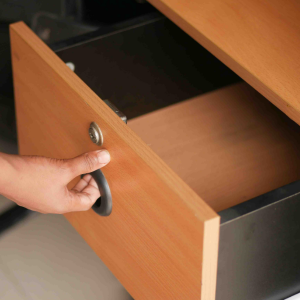
Before: a seller keeps her grandmother’s rings in a dish on the dresser, as she has for years. After: twelve strangers walk through the house on a Sunday afternoon, and she spends that evening counting jewelry.
Nothing was missing, which is how it usually goes. Still, a showing hands your privacy to people you’ll never meet, and protecting it costs almost nothing. A small lockbox and a quick sweep of your drawers the night before cover most of it. Check the nightstand drawers too, since that’s where spare cards and old phones tend to pile up.
Medications come off the counter and out of the medicine cabinet because buyers constantly open bathroom cabinets. Prescription bottles show your name, your doctor, and your address, and that’s personal data you don’t want drifting around. Spare keys, checkbooks, passports, and small electronics belong in a locked box or somewhere off-site.
Mail matters too. Statements left on the counter show account details to anyone who glances down while the group shuffles along. Scoop the pile into a bag and take it with you when you leave for the showing.
Your listing agreement may have a clause limiting the brokerage’s liability for items that go missing during showings. Read it. It isn’t a reason to panic, just a reason to move the valuables before the first appointment.
What’s the Best Plan for Pets During Showings?
Which brings up the household members who bark at the doorbell. Buyers who love dogs still won’t love your dog during a showing. A crate in the laundry room doesn’t fix it either, because a crated dog barking through the walkthrough keeps people heading for the exit.
Get the animals out of the house. A friend’s place, a doggy daycare, or a long walk timed to the appointment all beat the alternative. If daily trips sound exhausting, ask your agent to bunch showings into one or two blocks a day.
Smell is the part nobody wants to hear about. You’ve gone nose-blind to your own home, so ask a neighbor to walk in cold and give you the honest version. Empty litter boxes daily while you’re selling, and stash bowls, beds, and toys before buyers arrive.
Cats are their own problem. They hide, they bolt through open doors, and agents hold doors open constantly while they herd groups of buyers in and out.
Mention any pet in the showing instructions regardless. Allergic buyers appreciate the warning, and an honest note costs you less than a sneezing fit mid-tour. If a cat’s staying home, add a line asking agents to keep exterior doors shut.
What Goes in a Showing-day Go Bag?

A go bag can sound like overkill for a thirty-minute appointment. It isn’t. Once you add drive time, the appointment is rarely 30 minutes, and the last 10 minutes before you leave determine what the buyer walks into. When your agent texts that a buyer’s on the way, you want to grab one bag and go.
Keep a tote by the back door with chargers, a water bottle, any mid-day medications, work materials, and a snack for the kids. Next to it, set a small bin for the counter sweep that collects the mail, dish soap, and the toaster on your way out. Restock everything Sunday night, so you’re never hunting for a charger while a buyer waits in the driveway.
The last pass through the house takes four minutes. Lights on, blinds open, toilet lids down, trash out, thermostat set to a comfortable temperature. Walk the same route every time, and the checklist starts running on its own. With pets, give yourself one more minute to load the crate and leash into the car.
A woman in Bowling Green reached out after settling her father’s estate. Two listings with two different agents had expired after nine months total with zero offers. All that time she kept driving across town every weekend to mow and stage a house she didn’t live in. The 1970s kitchen scared off financed buyers. We closed on a Friday, and she never prepped for another showing. If you’re considering a simpler sale, a company that buys houses in Bowling Green and the surrounding Kentucky cities can provide another option.
Frequently Asked Questions
Can You Really Live in Your House While It’s on the Market?
Yes, and most sellers do. The cost is the daily upkeep and the interruptions, which hit hardest for families with small kids, shift workers, and anyone caring for a relative at home. If the routine starts costing you more than it adds to your sale price, a direct sale is a fair alternative, not a failure.
How Long Does the Average House Sit on the Market in Kentucky?
Kentucky REALTORS reported that homes across the state spent an average of 18 days on the market in May 2026, five days longer than a year earlier. Homes that need updates sit on the market the longest, since a standard mortgage won’t cover the repairs a financed buyer would face after closing. A dated kitchen, an older roof, or foundation movement will push your timeline past the local average, however clean the house shows. If you’d rather not wait out the market, you can sell your Kentucky house fast for cash and skip the showings.
Do I Have to Clean Before a Cash Sale?
No. We buy houses as-is, so leftover furniture, a full garage, and a 1978 kitchen are all fine. Take what you want, leave the rest, and give us a call whenever you’re ready to talk it through.
If you’ve been running the routine and it isn’t working, or you’d rather skip it altogether, Kentucky Sell Now will look at your property and give you a straightforward cash number with no obligation and no cleanup required. Call us at (502) 610-0070 or fill out the form whenever you’re ready, and if the timing isn’t right, that’s a fine answer too.
Useful Kentucky Blog Articles
- Can You Sell A Rental With Tenants In Kentucky
- Can I Sell My House With A HELOC In Kentucky
- Foreclosure Timeline For Homeowners In Kentucky
- Can My Husband Legally Sell Our House Without My Consent in Kentucky?
- Documents Required for Selling Inherited Property
- How to Handle an Inherited House With Siblings in Kentucky
- Selling a House With Delinquent Property Taxes in Kentucky
- How Long Should You Live in A House Before Selling It
- Appraisal Required Repairs Kentucky Home Sellers Need To Know About
- FSBO Costs in Kentucky
- How to Sell a House That Has Flooded in Kentucky
- How Much Do Realtors Charge to Sell a House in Kentucky
- How to Sell a House While Living in It