



Most owners never think about the title to their home until a closing attorney calls with bad news. A contractor filed something years ago, an old tax bill went unpaid, or a court judgment from a forgotten lawsuit is now attached to the property.
Liens sound scary, but they rarely block a sale for good. This guide explains how each kind of lien works in Kentucky, how they get paid at closing, and what to do when the debt is bigger than your equity.
What Is a Lien on a House in Kentucky?
Think of it as a legal claim that ties a debt to your property. The creditor records it in the county clerk’s office, and from that point the debt follows the house until it’s paid or released.
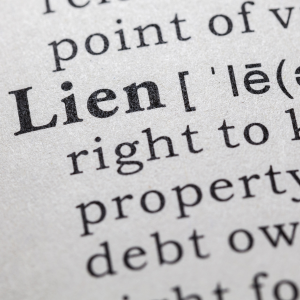
Some claims are voluntary. Your mortgage is a lien you agreed to when you borrowed money, and so is a home equity line of credit. Others are involuntary, placed on the home by a taxing authority, a court, or a contractor without your signature.
Either way, the effect is the same at closing. A buyer wants clear title, and a title insurer won’t issue a clean policy while a recorded lien remains. The creditor has to be paid or has to agree to release its claim before the deed transfers.
Owners sometimes don’t know a lien exists. Notices go to old addresses, and recorded documents don’t always reach the homeowner. That’s why a title search early in the selling process matters so much.
Recording rules in Kentucky also decide priority. In general, each lien ranks by the date it was recorded, though property tax claims and certain government claims can jump ahead. Priority decides who gets paid first when money runs short.
A recorded release counts as much as the payoff. Paying a debt doesn’t erase it from the public record, because the lien holder has to record a release in the same Kentucky county clerk’s office where the claim was filed. Until that release is on record, the title still looks clouded to any buyer or lender.
Every county keeps its own records. A house in Fayette County and a house in Pike County follow the same Kentucky rules. Still, you’ll search each county’s land records separately, and each office has its own hours, fees, and online tools.
Can You Sell a House With a Lien in Kentucky?
Yes. Sellers close with liens attached every day, because the payoff happens inside the closing. The title company or closing attorney collects the buyer’s money, pays each lien holder, records the releases, and sends you what remains.

Equity decides how smooth that process is. When the sale price covers every lien plus selling costs, the payoffs happen automatically and nobody notices. Trouble starts when the debts add up to more than the house brings.
Even then, options exist. Lien holders sometimes accept less than the full balance, the IRS can discharge its claim from a single property, and a disputed lien can be challenged in court. Each path takes time, so starting early helps.
Disclosure still applies. Buyers learn about every recorded lien from the title commitment, so hiding one only delays the problem. Being upfront keeps the deal moving and protects your credibility in negotiations.
Timing is the main cost. A simple mortgage lien clears in days, but a disputed contractor claim or an IRS discharge can add weeks or months. Build that into your moving plans, especially if you’re buying another Kentucky home at the same time.
Agents vary in how they handle title trouble. Some won’t list a house with a large lien until the seller shows a plan for clearing it, so gather payoff figures before you interview anyone. Buyers and their agents see the title commitment within days of signing a contract, so plan your explanation ahead of time.
Earlier this year I bought a two-story in Georgetown with a mechanic’s lien from a roofer and a small judgment lien from an old medical bill. The owner assumed the house couldn’t sell. Our closing attorney negotiated both payoffs, and we closed in under three weeks.
What Types of Liens Show Up on Kentucky Homes?
Several kinds appear regularly on title searches across the state. Knowing which one you’re facing tells you how it gets resolved.

Mortgages and home equity loans are the most common. They’re paid from the sale like any other lien, using a payoff letter from the lender.
Property tax claims arise when county or school taxes go unpaid. Unpaid bills in Kentucky turn into certificates of delinquency, which carry interest and fees and can lead to foreclosure.
Judgment liens follow a court case. After a creditor wins a lawsuit, it can record the judgment so it attaches to any real estate the debtor owns in that county.
Mechanic’s liens come from contractors and suppliers who weren’t paid for work on the property. Federal tax liens come from unpaid IRS debts, and state tax liens can come from the Kentucky Department of Revenue.
Others pop up too. Homeowners associations, unpaid child support, municipal code fines, and sewer or water charges can all lead to a lien in certain situations. Your title report lists each one with the amount claimed and the date it was recorded.
HOA claims deserve a closer look in Kentucky subdivisions and condo buildings. Unpaid dues and fees can become a lien on the unit, and associations commonly add late charges and legal fees that grow quickly.
Utility claims are less common but real. Some Kentucky cities and sewer districts can record a lien for unpaid sewer or water charges, and code enforcement boards can file one for fines tied to a neglected property. Unpaid child support can also lead to a lien on real estate, and the closing agent pays it from proceeds like other claims.
How Do Property Tax Liens Work in Kentucky?
Property tax bills left unpaid are converted into certificates of delinquency the following spring. According to the Kentucky Department of Revenue, each certificate represents a lien against the property, and interest builds at 1% per month.

Third-party purchasers can buy those certificates. Once that happens, you deal with the private buyer, who can add administrative fees and collection costs on top of the tax, penalties, and interest.
Collection can end in foreclosure. Certificate holders have the right to sue to enforce their claim, which puts the home at risk even when the original tax bill was small.
Clearing a property tax lien before closing is straightforward. The county clerk, the county attorney, or the third-party purchaser provides a payoff amount, and the closing agent pays it from your proceeds.
Current-year taxes also get handled at closing. The settlement statement prorates them between you and the buyer, so ask the closing agent whether any older years remain open.
Act fast if you’re behind. Fees from third-party purchasers can climb quickly, and the longer a tax lien sits, the more of your equity it consumes.
Statute caps the interest rate. Under Kentucky law, a certificate of delinquency carries simple interest of 12% a year, but fees a third-party purchaser adds can push the total far beyond the original bill. Owners can ask that purchaser for an installment plan.
Selling usually ends the problem cleanly. Once the certificate is paid at closing, the holder records a release, and the tax lien comes off the title for good.
What Happens With a Mechanic’s Lien?
Contractors, subcontractors, and suppliers who improve a property can claim a lien when they aren’t paid. Kentucky law sets strict deadlines for doing it.

Under KRS 376.080, a claimant has to file a lien statement with the county clerk within six months after last furnishing labor or materials, or the lien dissolves. The claimant then has 12 months from filing to sue to enforce it.
Those deadlines help owners. A mechanic’s lien that was never enforced within the statutory window may be dissolved, and a closing attorney can often clear it with an affidavit or a court order.
Disputed work is common. If you believe the contractor did poor work or overbilled, you can negotiate, ask for a release in exchange for a partial payment, or challenge the lien in court.
Bonding off the lien is another tool. State law lets an owner in Kentucky post a bond for double the amount claimed, which moves the dispute away from the house so the sale can close as the argument continues.
Subcontractors add a twist. A supplier or sub who was never paid by your general contractor can sometimes claim a mechanic’s lien even after you paid the general contractor, depending on notice rules. That’s why a lien waiver from everyone on a big project is worth collecting.
Homeowners in Kentucky who plan to sell soon should keep signed waivers from every contractor and supplier as invoices get paid. Those papers make a title search much cleaner and help prove a mechanic’s lien was settled.
How Do Judgment Liens Affect a Sale?
Court judgments attach to real estate once they’re recorded with the county clerk. Credit card debt, medical bills, personal loans, and unpaid rent can all end up as a judgment lien on your home.

At closing, the judgment creditor gets paid from your proceeds based on its priority. A creditor that recorded after your mortgage stands behind the mortgage lender in line.
Negotiation works well with these. Judgment creditors frequently accept a discounted lump sum because the alternative is waiting years for payment. Get any settlement in writing, along with a signed release the closing agent can record.
Old judgments deserve attention too. Some have been paid but never released, and some belong to someone with a similar name. Title companies can sort out name mix-ups with an affidavit, and paid judgments only need a recorded release.
Bankruptcy can also wipe out some judgment liens. If a filing is on the table, talk with a bankruptcy attorney before you list.
Judgments also grow over time. Post-judgment interest keeps building, so a judgment lien recorded years ago may be worth far more today than the original debt. Ask for a current payoff rather than relying on the amount printed in the court record.
Each judgment lien only attaches in counties where it was recorded. A creditor holding a judgment from Jefferson County has to record it in Warren County, for example, before it affects a Kentucky house there. Medical debt and old credit cards are the usual sources of the judgments we see on homes around the state.
Can You Sell With an IRS Tax Lien?
Federal tax liens attach to everything a taxpayer owns, including a Kentucky home. Selling is still possible.

When there’s enough equity, the closing agent pays the IRS from your proceeds and obtains a release. That’s the simplest case, and it looks like any other payoff.
Short on equity? Federal rules let the IRS issue a certificate of discharge that removes the federal lien from one property, even without full payment. The Taxpayer Advocate Service explains the discharge process, which starts with Form 14135.
Timing matters. The IRS asks for discharge applications well ahead of closing, commonly at least 45 days, along with the purchase contract, an appraisal, a title report, and a draft settlement statement.
State tax liens from the Kentucky Department of Revenue follow a similar path. A payoff letter clears them at closing, and a payment plan or settlement may be possible when the balance is large.
Federal tax claims outrank many later debts, though not a mortgage recorded before the IRS filed its notice. Your title company will sort out the order, and it can request the IRS lien payoff on your behalf with your written authorization.
Selling a Kentucky house with an IRS lien and little equity takes patience. Discharge decisions come from an IRS advisory office, and buyers need to know the timeline before they sign a contract.
Some sellers set up an installment agreement with the IRS before listing. That doesn’t remove the claim, but it can pause further collection as you prepare the house for sale.
How Do You Find Out What Liens Are on Your Property?
Start with a title search. Title companies pull the deed history, mortgages, judgments, tax certificates, and other recorded claims, then list them in a report.

Ordering a search before you list saves time. Surprises found in the first week can be cleared while you’re still preparing the house, rather than in the last days before closing.
County clerk offices hold the recorded documents. Many Kentucky counties offer online land records searches, and staff can help you look up liens by name or by property.
Tax status lives with the county sheriff and county clerk. They can confirm whether any certificates of delinquency exist and who currently holds them.
Keep copies of everything you find. Each lien holder’s name, the recording date, the amount, and contact information will be needed when it’s time to request payoff letters.
Online searches have limits. Some Kentucky counties put only recent records online, and indexes can miss documents filed under a misspelled name. A professional title search catches what a quick online look might not.
Ask the title company for a title commitment, not just a list. The commitment spells out each lien the insurer requires to be paid or released before it will issue a policy, which gives you a checklist for closing.
County PVA websites can also help. They show the owner of record and the assessed value, which you’ll want when talking with creditors about a settlement.
What Order Are Liens Paid at Closing?
Priority sets the order. Property tax claims generally come first, followed by other liens in the order they were recorded.

Take a home that sells for $275,000, close to the statewide median this year. If the first mortgage payoff is $180,000, a judgment lien is $15,000, and selling costs total $20,000, the seller receives about $60,000 after everything is paid.
Shortfalls hit the lowest-ranked lien holder first. When money runs out, the creditor at the back of the line may get nothing unless it agrees to a reduced payoff.
That’s why junior creditors often negotiate. A lien holder facing a likely loss may prefer a smaller check now to a long legal fight with uncertain results.
Your closing statement shows the full breakdown. Review it line by line before signing to confirm every lien payoff matches the letter from that creditor.
Government claims sometimes break the normal rule. A property tax lien generally takes top priority no matter when it was recorded, which is why tax certificate holders are paid before even the first mortgage lender.
Sellers who owe more than the house is worth can still close in Kentucky if lower-ranked creditors agree to accept less on their lien. Each one signs a release for the reduced amount, and the title company records those releases with the deed.
Can You Negotiate a Lien Down Before Selling?
Often, yes. Many creditors would rather take a guaranteed payment at closing than wait years for the full amount.

Start by requesting a current payoff. Then explain your situation in writing, including the sale price, the other debts ahead of them, and how much would be available. A clear picture of your equity makes a settlement offer easier to accept.
Disputed debts call for a different approach. If you believe a lien is invalid, expired, or inflated, a real estate attorney can demand a release or file a quiet title action asking a court to remove it.
Never pay a lien holder directly without a written release in hand. The closing agent should handle payments and record releases so nothing is left on the title.
Professional help pays for itself here. A Kentucky real estate attorney who regularly handles lien disputes can move faster and settle for less than an owner negotiating alone.
Timing helps negotiations. A lien holder who sees a signed purchase contract knows the money is real, so settlement offers made after you go under contract tend to get faster answers. Write down every promise a creditor makes and get it signed, since verbal deals fall apart when a new collector takes over the account.
Keep tax consequences in mind. Forgiven debt can count as income in some situations, so ask a tax professional about any lien settlement that cancels a large balance.
Owners in eastern and western Kentucky sometimes have fewer local attorneys to choose from, so remote consultations are common and work fine for most negotiations.
How Fast Must a Lien Be Released in Kentucky?
State law sets a firm deadline for paid debts. Under KRS 382.365, a holder has to release a satisfied lien in the county clerk’s office within 30 days.

Former creditors also have to mail the owner a copy of the release within seven days after recording it. Keep that letter with your closing papers.
Penalties apply when creditors ignore the rule. Owners who send written notice and still don’t get a release may recover damages under the statute.
Unreleased debts from years ago show up regularly. A mortgage paid off in a refinance, a judgment settled long ago, or a contractor bill paid in full can still appear on a title search if nobody recorded the release.
Clearing those is usually paperwork, not money. Contact the creditor for a release, or ask your attorney to use the statutory process to force one.
Title companies in Kentucky track each lien release after closing as part of their service. If a release hasn’t appeared after a month or so, call the closing agent before contacting the creditor yourself.
Buyers benefit from the same rule. Someone who purchases a Kentucky home and later finds an unreleased lien can use the statute too, though title insurance usually handles the problem first.
Release documents should list the book and page number of the original claim. Check that the numbers match your title report, since a release recorded against the wrong document doesn’t clear anything.
What Is the Kentucky Housing Market Doing in 2026?
Prices across the state have held steady. Kentucky REALTORS reported a statewide median of $275,000 for May 2026, down 0.7% from a year earlier, according to Building Kentucky.
Supply has grown, with 5.3 months of inventory in that report. Buyers with more choices tend to skip homes with title problems or ask for bigger concessions.
Zillow data through September 30, 2026, shows 57.8% of Kentucky sales closing under list price. Pricing too high to cover a large lien usually leads to price cuts anyway.
Clean title helps a listing compete. Resolving every lien before you list, or at least knowing exactly how each will be paid, keeps buyers confident and closings on schedule.
Statewide numbers hide local differences. Homes in growing areas around Lexington, Louisville, and northern Kentucky tend to sell faster, and buyers there may tolerate a slower title process. Rural markets with fewer buyers leave less room for delays.
Pricing a house with a lien starts the same way as any other listing. Use recent local sales, then subtract every payoff and selling cost to see what you’ll take home. Higher mortgage rates also leave less room in a buyer’s budget for repairs or a slow closing.
What Is the Fastest Way to Sell a House With a Lien?
Speed depends on equity, the type of claim, and your buyer. Traditional buyers need financing, inspections, and clear title, which can stretch a sale with complicated liens for months.
Cash buyers who work with title problems regularly move faster. They can wait for a negotiated payoff, a discharge, or a court order without a lender’s deadlines hanging over the deal.
Kentucky Sell Now buys Kentucky houses with tax liens, judgments, mechanic’s liens, and other title issues. We work with local closing attorneys to clear each claim from the proceeds, and you can read how our process works before you decide.
Last summer I bought a frame house in Frankfort with three years of delinquent taxes and a judgment from an old car loan. The owner had been turned away by two agents. We paid the tax certificate holder and settled the judgment at closing, and she walked away with cash and a clean slate.
Whatever route you choose, start with the title search. Knowing every lien on the property, its amount, and who holds it turns a stressful sale into a list of tasks with clear answers.
Selling to a cash buyer in Kentucky also avoids appraisal and lender delays. That speed counts most when a tax certificate holder is threatening foreclosure or a contractor is close to filing suit. Cash buyers also take the house as-is, so you won’t spend money fixing it up during negotiations with creditors.
Frequently Asked Questions
Do I have to pay off a lien before listing my house?
No. Most liens are paid from the sale proceeds at closing. You only need to deal with one earlier if the debts exceed what the house will bring.
Can a buyer take over my lien?
Rarely. Buyers and their lenders want clear title, so liens are almost always paid or released at closing.
What if I don’t know a lien is on my house?
A title search will find it. Ordering one before you list gives you time to resolve surprises without delaying the sale.
Can a lien stop my sale completely?
It can delay a sale but rarely stops one for good. Negotiation, discharge, or a court order can clear most claims, even when equity is tight.
How long does a lien last in Kentucky?
It depends on the type. Mortgages last until paid, contractor claims expire quickly if nobody enforces them, and court judgments can stay enforceable for many years. A title attorney can tell you whether a specific claim is still valid.
Have a lien on your Kentucky house and want a simple way out? Call Kentucky Sell Now at (502) 610-0070 or fill out the form below for a no-obligation cash offer. We handle the payoffs and close on your timeline.
Sell Your House Fast in Louisville 💰
We buy houses in Louisville As-Is! No Hidden Fees or Real Estate Commissions. Sell Your House in Louisville And Close On The Date Of Your Choice. Simply Fill Out The Form, or call (502) 610-0070 today!